Case 3

再好的大餐如果一天吃到晚也会腻,何况被时差折磨的够呛。不过我一遍遍告诫自己,如果我看不完这些case,那说明我没资格出现在哈佛。

第三个案例讲的是西非小国安哥拉,石油到底是福音还是诅咒。里面提到了这个国家的历史、现状,政治经济情况。国家经济对石油外向出口的依赖导致了严重腐败,而IMF的资金援助要求更加透明,但中国的有目的的援助使得该国不再需要IMF。

留的问题:

1. Skim the GEM15 note and skim the exhibits in the case for where the GEM15 statistics can be found. What is Angola’s business model?

Oil export oriented.

2. Read the 4M note and map the 4Ms for Angola.

Exactly the map of 4M.

3. Is oil a blessing or a curse for Angola?

curse

4. Is China helping Angola?

我感觉老师不会问中国人这个问题。

发表在 管理 | 一条评论

HBS 案例分析二

接下来这个案例讲的是印度一家创新了商业模式的移动运营商Bharti Airtel进军非洲市场的事。这是个2010年发生、12年写成的案例,所以比较新。

我在刚果金的时候,中兴在那里成立了一家手机运营商公司,这个案例里虽然提到DRC但竞争对手里完全没提到ZTE,不知道我朝企业怎么样,还在不。

三个思考题:

1. Do you agree with Bhartis decision to expand into the African market? What other markets might the company have pursued to continue its growth?

I think it’s a good move however the way of acquisition is questionable: without full understanding of the market/customer and mastery of talent/partners. A more cautious/less expensive approach would be more appropriate.

Not knowing well enough the telecom industry/other emerging markets, my gut feeling is to take a look on markets as Indonesia or Latin America as those economies are fast growing and population is large, similar to Africa/India level. But again, do your f*cking homework.

2. What elements of its business model from India are transferrable to the African market? What is your assessment of Bhartis progress in Africa to date in replicating its business model in Africa?

Prepaid model; partnership/alliance on distributionship/microfinance firms;

The copy is on its halfway however too early to say successful as the market is different and many challenges remain.

3. Should Bharti compete with MTN on price in the Nigerian market? If not, how else should it compete?

More tailored made services/Distribution network.

接下去还有篇短文,讲外企进入发展中国家市场对政府监管的调研需要用到的考察工具。

发表在 管理 | 留下评论

HBS BBEM案例分析一 Unilever in India: Shakti project

我虽不才但很幸运,被公司派到HBS学习发展中市场商业振兴课程一周,下面把学习心得分享下。比较粗,没有整理和仔细思考,就算是学习笔记。

HBS以发明案例分析的学习方法闻名于世,现在校园里无数教授助教牲口一样没完没了地写案例。不过,相比其他学校的案例,他们的水平还是不错的,条理清楚,资料翔实;除了很长,每一个案例都要至少两个小时才能读完。而这一周的课程一下子就来了18个案例。

第一个案例是讲联合利华在印度如何发动人民群众的伟大力量扩大农村市场占有率的。

老师留了四个问题:

1. What are the key features of Shakti? What are its positive aspects and what are its drawbacks?

Key features: brand new sales and distribution concept to enter in blue sea for new growth opportunities; an organization for the whole project; rural women as key driver/enterpreneurs; revolutionary alliances with NGOs and communication/education (Vani/iShakti).

Positives: Out of the box thinking and “nothing is impossible” creative mindset; revolutionary empowerment of rural women; brand new distribution channel using the sub segmentation concept;

Drawbacks: potential challenge to current rural distribution area (entrepreneurs selling directly to end customers bypassing the local bazards); cost control; margin sacrifice even it’s necessary in early stages of a market development; no clear branding/products focus except the sachet packaging effort; “one size fits all” strategy in terms of states coverage. (它的模式也有点象传销:是不是有法律风险?)

2. What is the commercial value created by Shakti? What is the social value?

Commercial: Leader in concept and marketshare; breakeven; large number of villages/end users covered; direct sales to end bottom of pyramid…

Social: Chance to women; increase rural life quality

3. How can Shakti make a contribution to HLL’s bottom line? What are your program recommendations?

Products oriented strategy and branding efforts; volume against margin to existing SHGs; bundling with other products

4. How do you evaluate HLL’s business strategy at the Base of the Pyramid? What is the one most critical factor for success? Should it do anything else?

Bold however on the go without enough proactive preparation. Motivation and channel (Women) was the key success factor.

Suggestions: a real products strategy; pilotting in some states before generalize

之后第一天还有篇文章,大讲特讲穷人的钱,好挣,要挣。

今天学到的几点:

1、大公司做事情,只能向前,不能后退,否则负面影响会非常巨大;

2、发展中国家,快钱是没有的,真正赚钱的公司都是目标长远的公司

发表在 管理 | 留下评论

当我跑步时我听什么

没有不凋谢的花朵。

据专家研究,运动时最好听些动感音乐,节拍在125到140拍之间(这个节拍正好是适量运动时人的心跳)。最好是大调而不是小调,小调比较容易让人感觉忧伤。

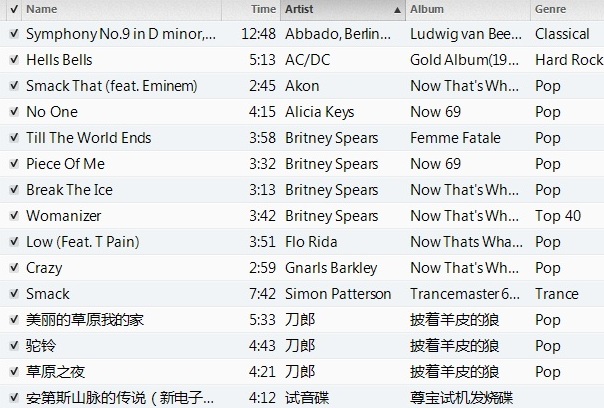
以下是我Ipod Nano 7里的音乐:

list

刀郎的歌适合一边跑步一边哼(一般来说戴耳机唱歌会非常难听,向所有在我跑步时路过的人致歉)。

贝9第三乐章适合跑完拉伸运动时放松。

其它全是猛调子了。其实Britney Spears的歌很适合运动。

发表在 音乐 | 留下评论

以终为始

年幼时我常常心理上去希冀一些与自己最底层的愿望相反的事情或结果:如果考试想考个好成绩,我就一遍遍告诉自己不可能考好;如果希望得到心上人的青睐,我就告诫自己一点戏都没有。。。

之所以这样,是因为生活严厉地教会了我,期望低点我会更快乐(老板肯定也明白这个道理)。命运一次次地嘲讽愚弄了我,让我知道自己的力量是多么的渺小。

有个周末我无聊,无聊就开始做危险的事:我做了一张Excel表格。先估计出我大概能活多少岁(我给自己估计的是76),然后算出那是哪年(2053年,如果第一个估计正确的话),然后根据工作、理财、届时工作生活的地理位置、当时当地的宏观环境、家庭、父母、个人健康、智慧等各个方面倒推人生做了个规划,如下所示(部分,当然我把内容都挖空了):

Lifetime – template

做完了这个表后,我那个下午看了本书,Chasing Daylight,是KPMG的美国前CEO写的,是他被诊断出脑瘤到临死前三个月内写的一本书。终生从业会计的他,也是非常善于规划、做事极具条理和明确制订任务列表的。他也很注意健康,打高尔夫,跑马拉松,品酒,精通歌剧。不过脑瘤还是在他50多岁时后就带走了他。

这是我这一辈子做的第一个人生规划。虽然我绝没有希望生活会以这种方式进行下去,但我发现Excel是个不错的工具,方便量化及线性思考。另外,有个方向不影响活在当下,相反做很多事都有个长线思考在背后感觉也不错。在这里分享下让大家见笑。其实里面还缺不少东西:备选方案Plan B什么的,大家自己更换和丰富吧。

没人玩的过命运。不过人生的意义就在于挣扎吧。

最后,虽然初恋不如愿,不过生活对我还不错,我基本过上了我想要的生活。我很感恩。

发表在 心情, 管理 | 2条评论